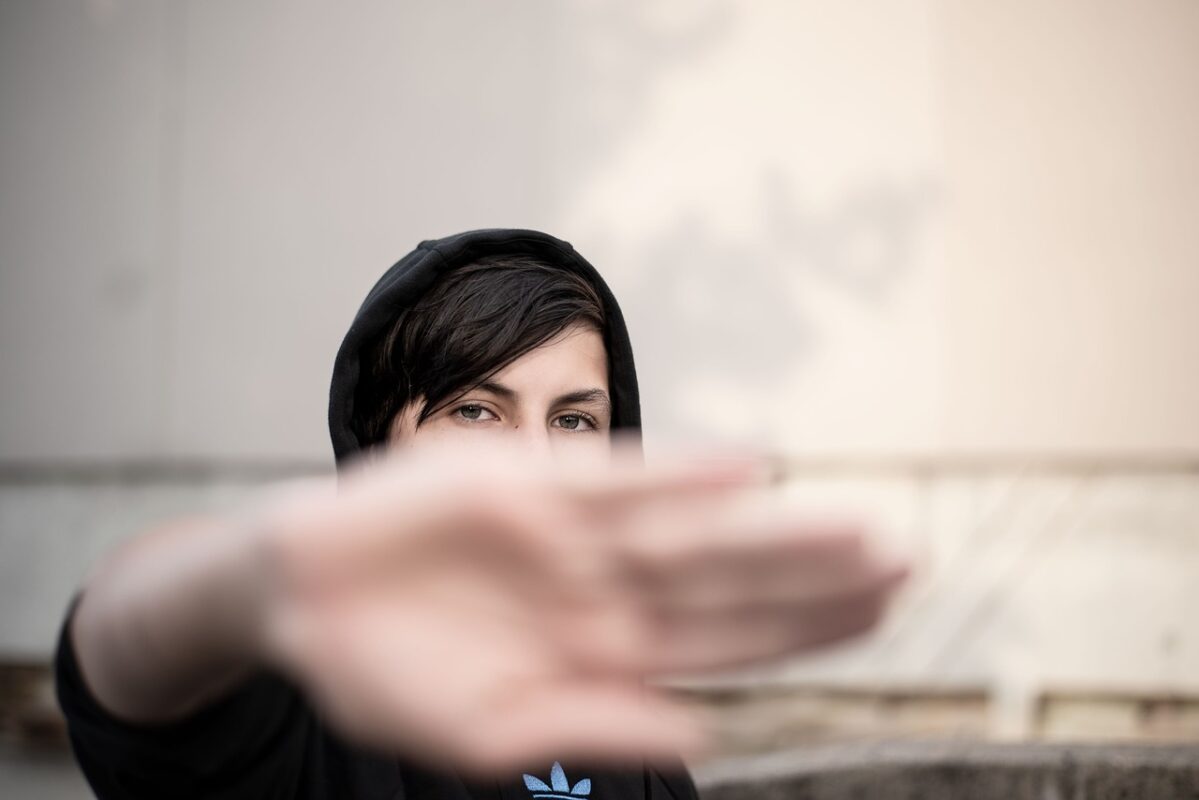
Spring in Downtown Brooklyn covers a twenty-degree swing in a single day, often with wind coming off the water and none of it in the forecast. The answer is layering that removes cleanly rather than a single garment that compromises.
Three layers, each with a job
A base that manages moisture, a mid layer that holds warmth, and an outer layer that stops wind. Each should be wearable on its own, which is what makes the system work when one comes off at eleven in the morning.
The common failure is a heavy mid layer that cannot be worn alone and a thin outer that cannot either, leaving you with two options instead of three.
The base decides comfort more than the coat
Cotton holds moisture against the skin and stays cold once damp, which is why a cotton tee under a jacket feels clammy after a subway platform. A lightweight synthetic or a merino blend base moves moisture and feels the same at both ends of the day.
For a look built on graphic tees, this means keeping the graphic tee as the mid layer and putting something thinner underneath on a genuinely cold morning.
Cropped outerwear and proportion
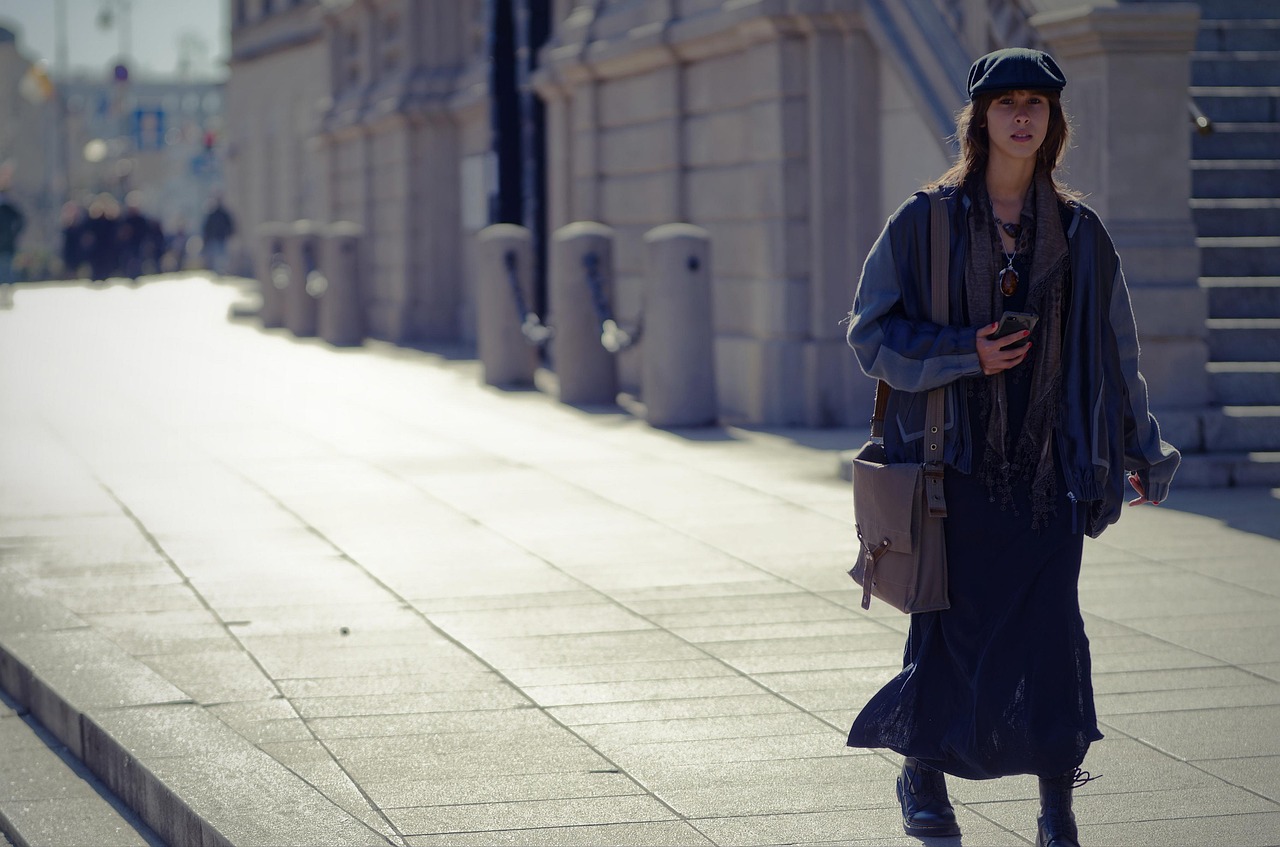
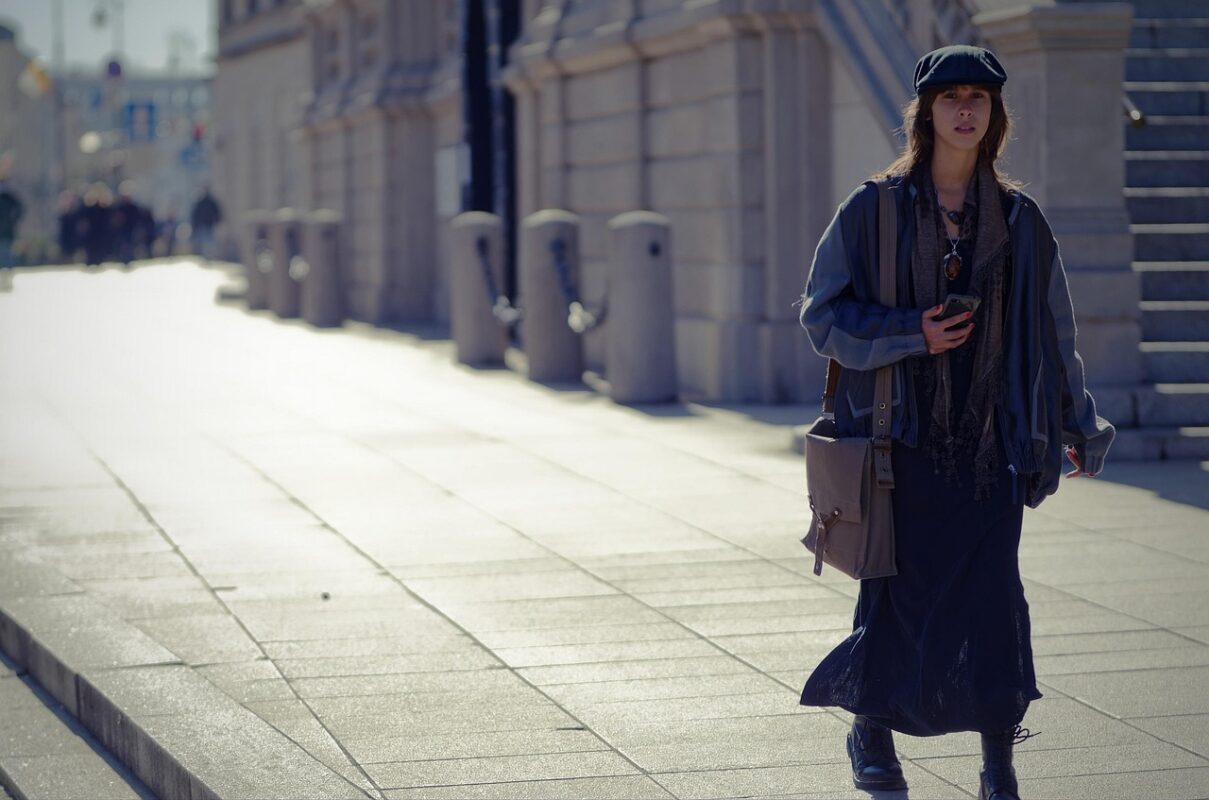
A cropped bomber over a longline tee is the standard proportion for a reason: the hem of the underlayer breaks the line and stops the jacket looking too short. Over a cropped top, a cropped jacket reads as one block and needs a high-rise trouser to work.
The rule is one long, one short. Two of the same length flattens the silhouette.
Wind is the variable, not temperature
Fifty degrees with wind off the East River feels like forty. A thin windproof shell weighs almost nothing, packs into a bag, and does more for comfort on the walk over the bridge than an extra sweater.
Look for a stated wind rating or a tightly woven face fabric. A loose-knit jacket looks warm and stops nothing.
Vests: the layer people underrate
A vest warms the core without adding bulk at the arms, which is what makes it the most flexible mid layer for a day with a twenty-degree swing. Over a hoodie it adds warmth without restricting movement; on its own over a tee it works at sixty degrees.
It is also the easiest layer to carry once removed, which is not a trivial point when you are not carrying a bag.
Footwear sets the ceiling
There is no layering solution to wet feet. A pair that handles a spring shower quietly determines whether the rest of the outfit was worth planning. This is the one item where waterproofing beats aesthetics on a forecast day.
It also affects trouser length: wide legs pool onto the shoe and get wet first.
Colour, briefly
Layered outfits read best when the layers are close in tone or clearly contrasted, not almost-matching. Two similar but different blacks look like an accident; black with a strong accent looks deliberate.
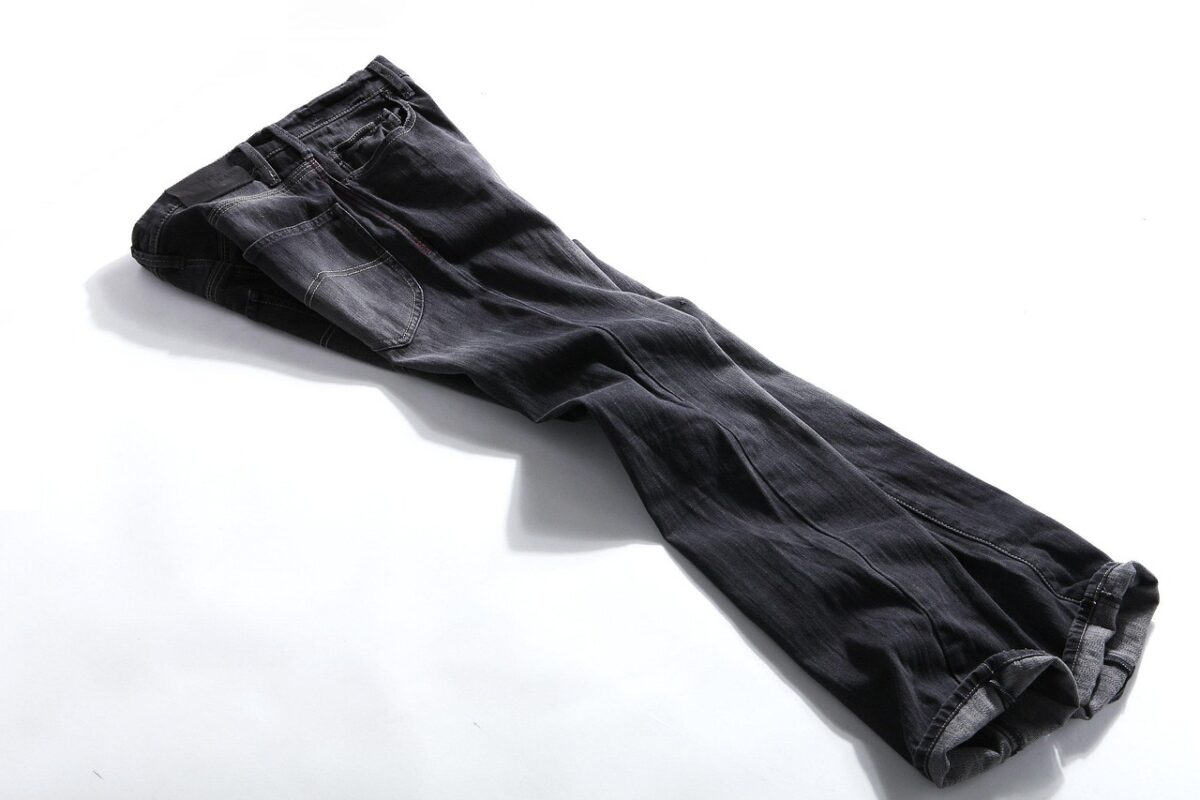
Washed and faded pieces sit in their own register and pair better with other washed pieces than with sharp new blacks.
Packing down
The layer you remove has to go somewhere. A jacket that ties at the waist without bulk, or a vest that folds into its own pocket, keeps you from carrying it. That practicality is worth as much as anything else on this list on a day that starts at forty degrees and ends at sixty.
Every outerwear listing here states the fabric, the weight and the measured length, which between them tell you how it will layer and whether it will pack.