The most common apparel return is a fit that was described accurately and understood differently. “Oversized” is not a size; it is a relationship between the garment and your body, and brands draw that relationship in different places.
Three measurements decide the silhouette
Chest width measured flat across, body length from the high point of the shoulder, and shoulder seam width. Those three describe an oversized garment far better than any size letter. A hoodie can be wide and short, wide and long, or narrow with a dropped shoulder, and all three get called oversized.
Most size charts publish all three. Where a chart gives only chest and length, the shoulder is the one you are guessing at, and it is the measurement that most changes how a piece reads.
Measure a garment you already like
Lay something you own flat, fasten it, and measure across the chest an inch below the armhole. That number is your reference. Comparing it with a size chart is far more reliable than comparing your body measurement to a chart, because it already accounts for how you like things to sit.
Do the same for length and shoulder. Ten minutes with a tape measure ends most sizing uncertainty permanently.
Dropped shoulders change everything
A dropped shoulder puts the seam partway down the upper arm, which is what gives a boxy piece its shape. The further it drops, the wider the garment reads regardless of chest measurement. On a shorter frame, a heavily dropped shoulder can swallow the whole silhouette.
If you like the look but not the volume, look for a moderate drop with a shorter body rather than sizing down, which will fix the width and ruin the proportion.
Cropped is measured, not implied
Cropped lengths vary by several inches between brands. The body length figure tells you exactly where it will sit; the word does not. Compare against a garment you own rather than against an expectation.
The same is true of “longline”, which can mean two inches longer than standard or eight.
Fabric weight changes the drape
A heavyweight fleece at 400gsm holds its shape and stands away from the body. A lightweight jersey at 180gsm falls, and the same pattern reads much slimmer. Two garments with identical measurements can look entirely different because of this.
Where a listing states gsm, it is telling you something useful. Heavyweight for structure, lightweight for drape, mid-weight for something that works in more seasons.
Acid wash and vintage finishes
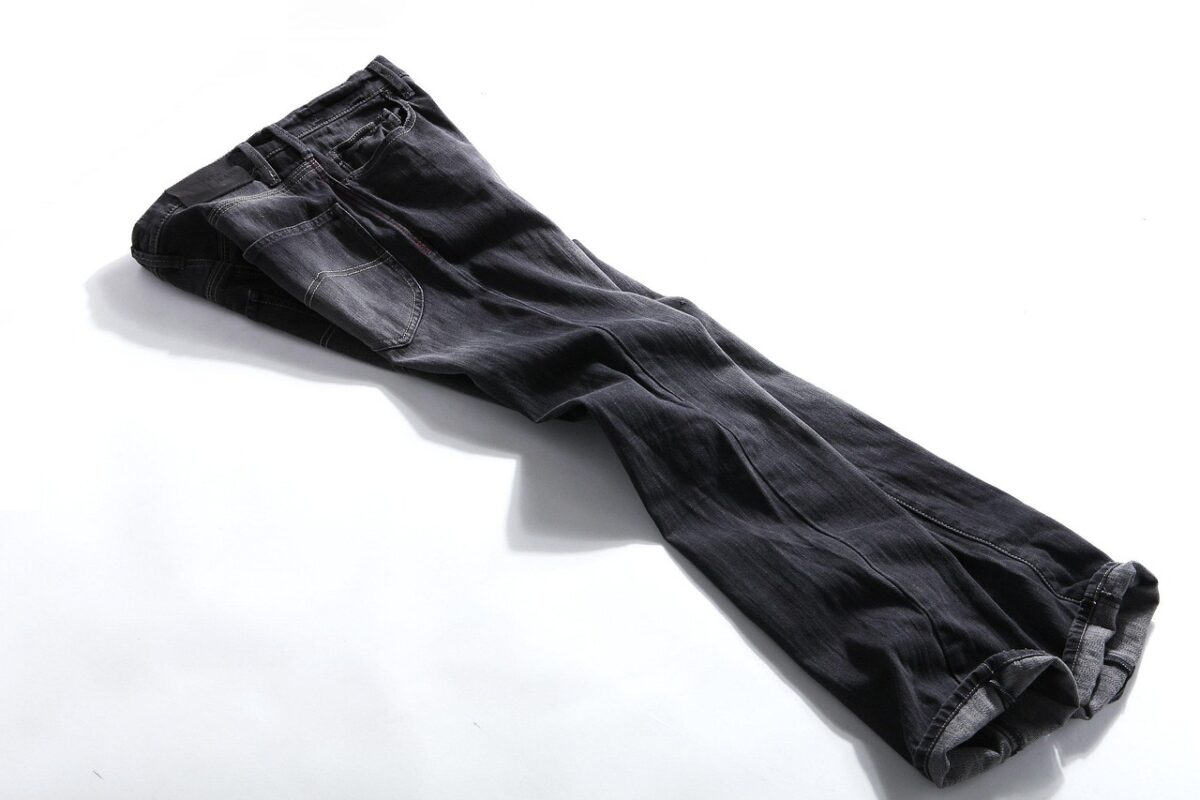
Washed and distressed finishes are applied to the finished garment, and washing shrinks. Brands allow for it, but the tolerance on a garment-dyed or acid-washed piece is wider than on an undyed one. If two pieces of the same size arrive slightly different, that is why.
It is also why these finishes should be washed cold and hung to dry – a hot machine will continue the process the factory started.
Unisex sizing is men's sizing
Almost always. A unisex medium is cut to a men’s medium block: longer in the body, wider at the shoulder, straighter at the waist. Anyone used to women’s sizing should expect to go down at least one size, and to check the shoulder measurement first.
This is not a criticism of unisex sizing, which is what makes a boxy fit work. It is just not the same scale.
What to do if you are between sizes
For boxy and cropped pieces, size down – the cut already provides the volume. For longline and layering pieces, size up. For anything with a fixed waistband or a zip, follow the chest measurement rather than the instinct.
Every listing on this site carries the maker’s own size chart. Comparing it with the garment on your own shelf is still the most accurate thing you can do before ordering.