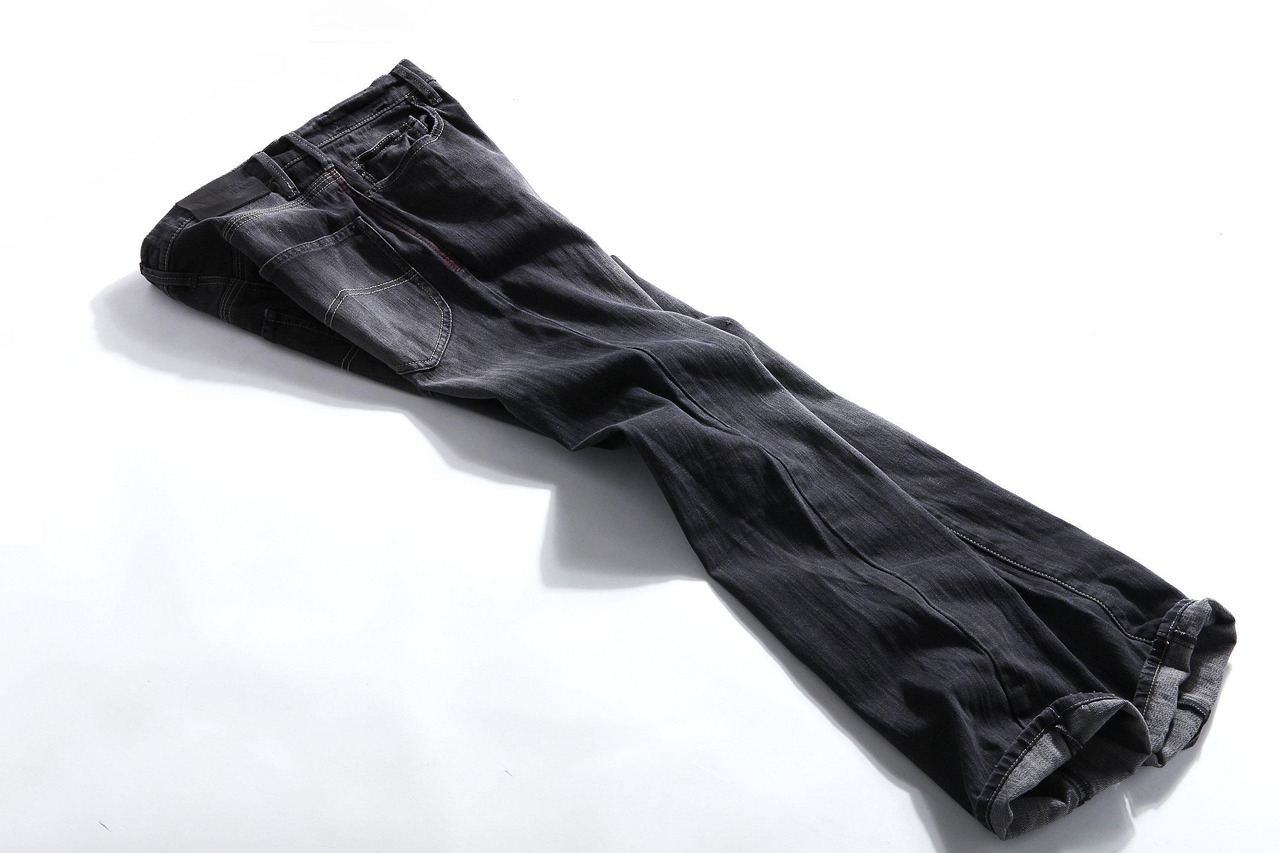
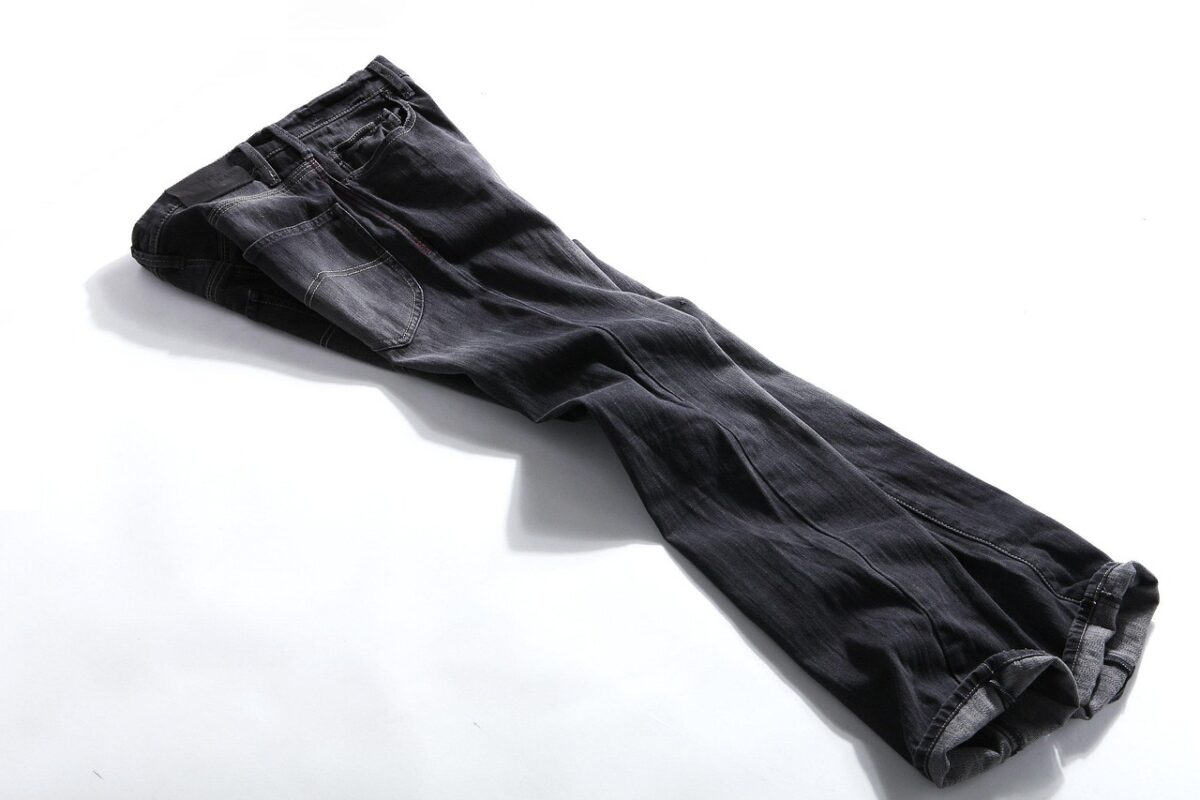
Denim is sold on waist and length, which describes almost nothing about how a pair will look. Three other measurements do most of the work, and all of them are usually published.
Rise is the first decision
Rise is the distance from the crotch seam to the top of the waistband. A high rise sits at or above the navel and shortens the leg visually while lengthening the torso line; a mid rise sits below. Low rise is back and is the most fit-sensitive of the three.
Rise decides where the volume of a baggy leg starts, which is why two pairs with identical waist and inseam can look completely different on the same person.
Leg opening decides how baggy is baggy
Measured flat across the hem, this number separates a relaxed straight leg from a genuinely wide one. Around 8 inches is a straight leg. Ten to eleven is loose. Anything past twelve is wide-leg territory and will pool over most footwear.
If a listing gives one measurement beyond waist and inseam, this is the one worth having.
Thigh measurement, for the fit at the top
A pair can be wide at the hem and close at the thigh, which reads as flared rather than baggy. The thigh measurement, taken an inch below the crotch, tells you which shape you are getting.
For a true baggy silhouette, thigh and hem should be relatively close together.
Rigid denim versus stretch
Rigid 100% cotton denim holds its shape, moulds over months and stretches perhaps half an inch at the waist with wear. Denim with a small percentage of elastane gives immediately and recovers less over the day, which is why stretch jeans feel loose by evening.
For a baggy fit, rigid is usually better – the shape is meant to come from the cut rather than from give.
Inseam and the pooling question
A wide leg with a long inseam stacks over the shoe. Whether that reads as intentional or as too long depends on how much – an inch or two of break is deliberate, four inches is a hem waiting to fray.
Hemming wide legs is straightforward at a tailor, and doing it after a couple of wears is better than guessing at first fit.
Cargo pockets change proportion
Side pockets add width at the thigh and visual weight low on the leg. On a wide-leg cut that can tip a silhouette from relaxed to shapeless. Flatter, lower-profile cargo pockets keep the line cleaner.
Check whether pockets are patch or bellows in the photographs; bellows pockets stand out considerably more when full.
First wash
Cold, inside out, and hang to dry. Raw and rigid denim will lose some indigo in the first few washes; that is expected. Washing separately for the first two or three cycles avoids transferring it to lighter garments.
Wash less often than instinct suggests. Denim does not need washing after every wear and the fabric lasts longer for it.
Reading a size chart honestly
Take the waist measurement over the trousers you wear most, not around your body. Compare thigh and hem against the same pair. Then read the rise, and decide whether you want the waistband higher or lower than what you have.
Four numbers, ten minutes, and the size question is settled for every pair you buy afterwards.