A garment can be finished to look twenty years old and be built to last one. The finish is applied at the end; the construction underneath is what decides how long the piece survives, and it is checkable in a few seconds.
Seams: look at the inside
Overlocked seams with a second row of stitching, or flatlocked seams, hold under stress. A single row of straight stitching on a stretchy fabric will pop. On listings, this is visible in the interior photograph, which good sellers include.
Pay particular attention to the shoulder and the armhole – the two seams that carry load every time the garment is put on.
Ribbing at the cuff and hem
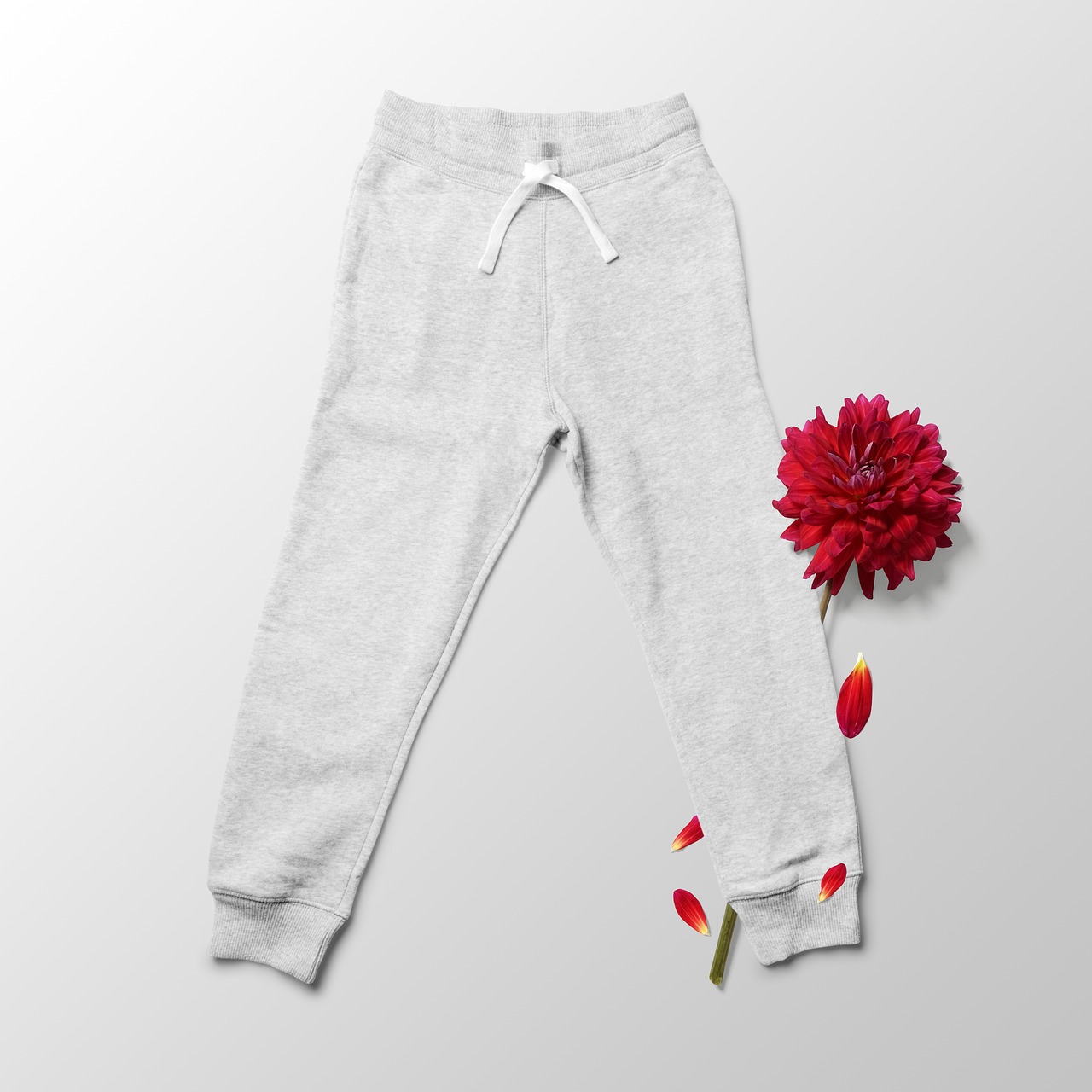
Ribbing is what keeps a sweatshirt in shape. Thin ribbing stretches out within a few months and never recovers, leaving a hoodie with a hem that flares. Denser, deeper ribbing with elastane in the blend lasts far longer.
You can judge this by feel in person; in a photograph, look at how far the ribbing extends and whether it is stated as a separate fabric.
Fabric weight, stated
Grams per square metre is the single most useful specification on a sweatshirt or a tee. Under 180gsm is lightweight and will show wear quickly. Around 240-320gsm is a solid everyday weight. Above 380gsm is genuinely heavy and holds structure for years.
A brand that states gsm is telling you it has nothing to hide. One that does not usually means lightweight.
What acid wash actually does
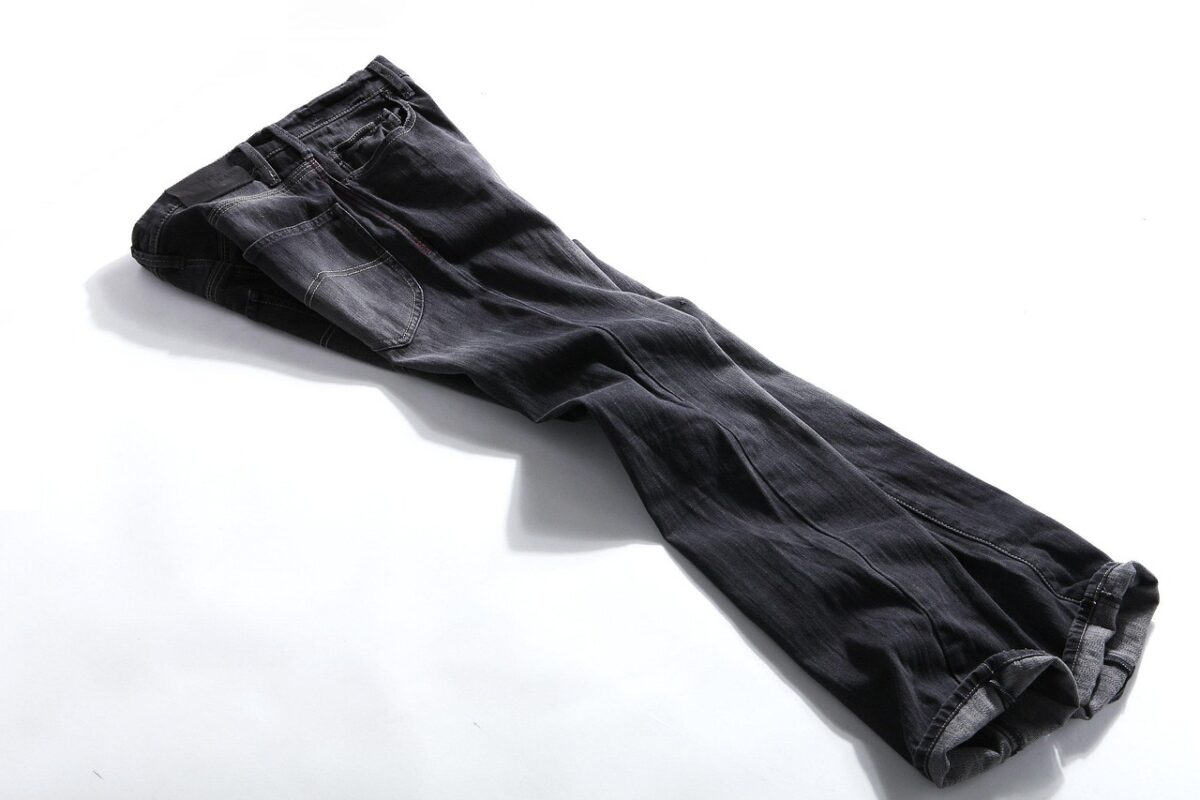
Acid washing is a chemical process that strips colour unevenly, and it also weakens fibre slightly. Done well it is stable; done cheaply it leaves fabric thin in the lightest areas. Hold the garment to the light if you can – unevenly thin patches are visible.
Because of this, acid-washed pieces should always be washed cold and never tumble-dried hot.
Embroidery versus print
Embroidery outlasts almost any print and adds weight and structure to the panel it sits on. It also puckers if the backing is inadequate. Dense embroidery on a lightweight fabric without a stabiliser will distort within a few washes.
Heavier fabric plus embroidery is a good combination; light fabric plus heavy embroidery is not.
Hardware
Zips are the most common failure point on outerwear. A branded zip is a reasonable proxy for quality; an unbranded one is not necessarily bad but is unlikely to be replaceable. Check that a zip runs smoothly through its whole length in any video the listing has.
Snap fasteners on a lightweight fabric pull through eventually unless the panel is reinforced.
Buy fewer, wash better
The strongest single influence on how long any of this lasts is not construction but laundry. Cold water, inside out, no dryer, no fabric softener. Applied consistently, that makes a mid-priced garment outlast an expensive one that goes through a hot cycle every week.
It also keeps the colour of a washed finish where it was when you bought it.
What we publish
Fabric composition, weight where the maker states it, measured dimensions per size and the maker’s own size chart. Those are the facts that let you judge whether a vintage-look piece is built to be worn or built to be photographed.