A screen print or a heat transfer sits on top of the fabric rather than in it. Everything that shortens its life is either heat or friction, and both are easy to reduce without treating the garment carefully.
Turn it inside out, every time
This is the single most effective habit. Inside out, the print faces the drum interior and rubs against the garment’s own fabric instead of against zips, buttons and the machine. It costs nothing and roughly doubles the life of a print.
It matters most in a full load, where abrasion is highest.
Cold water, and why
Warm water softens the plastisol or vinyl in a print and relaxes the fibres it is bonded to, which is what lets it crack. Cold water washes modern detergent perfectly well and is gentler on both the print and the colour of the shirt.
It also reduces shrinkage, which on a cotton tee is mostly a heat effect rather than a water one.
The dryer is the real enemy
Tumble drying combines heat and tumbling – the two things a print least tolerates. Hanging or laying flat to dry is the difference between a print that lasts two years and one that lasts ten. If a dryer must be used, the lowest heat setting and removing the shirt slightly damp does the least harm.
Line drying in direct summer sun fades colours, so dry inside out or in shade.
Detergent and what to avoid
Ordinary liquid detergent is fine. Chlorine bleach is not, on anything printed or coloured. Fabric softener coats fibres and, over time, builds up around the edges of a print and lifts it – skip it on printed garments entirely.
Oxygen-based stain removers are safe on most prints, but test on a hem first if the print is old.
Ironing
Never directly on a print. If a shirt needs pressing, iron it inside out, or place a cloth over the print. A hot iron will melt vinyl transfers outright and will gloss a screen print permanently.
A garment steamer avoids the issue altogether and is gentler on heavyweight cotton than an iron.
Acid wash and distressed pieces
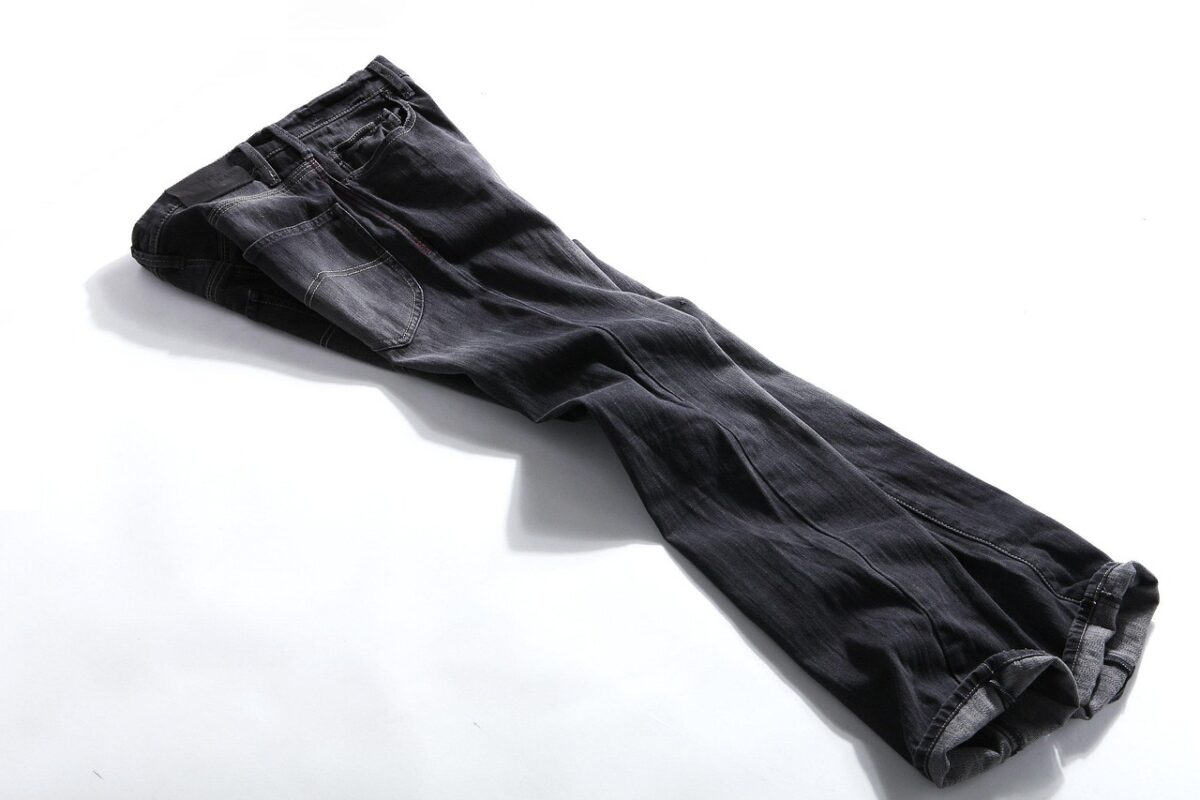
These have already been through a chemical and mechanical process, so the fabric is more open and the colour less stable. Wash them separately for the first few cycles, cold, and expect a little colour to come out – that is the finish settling, not a fault.
Do not soak them. Prolonged soaking pulls colour unevenly and can leave a mark where the garment folded.
Storage between wears
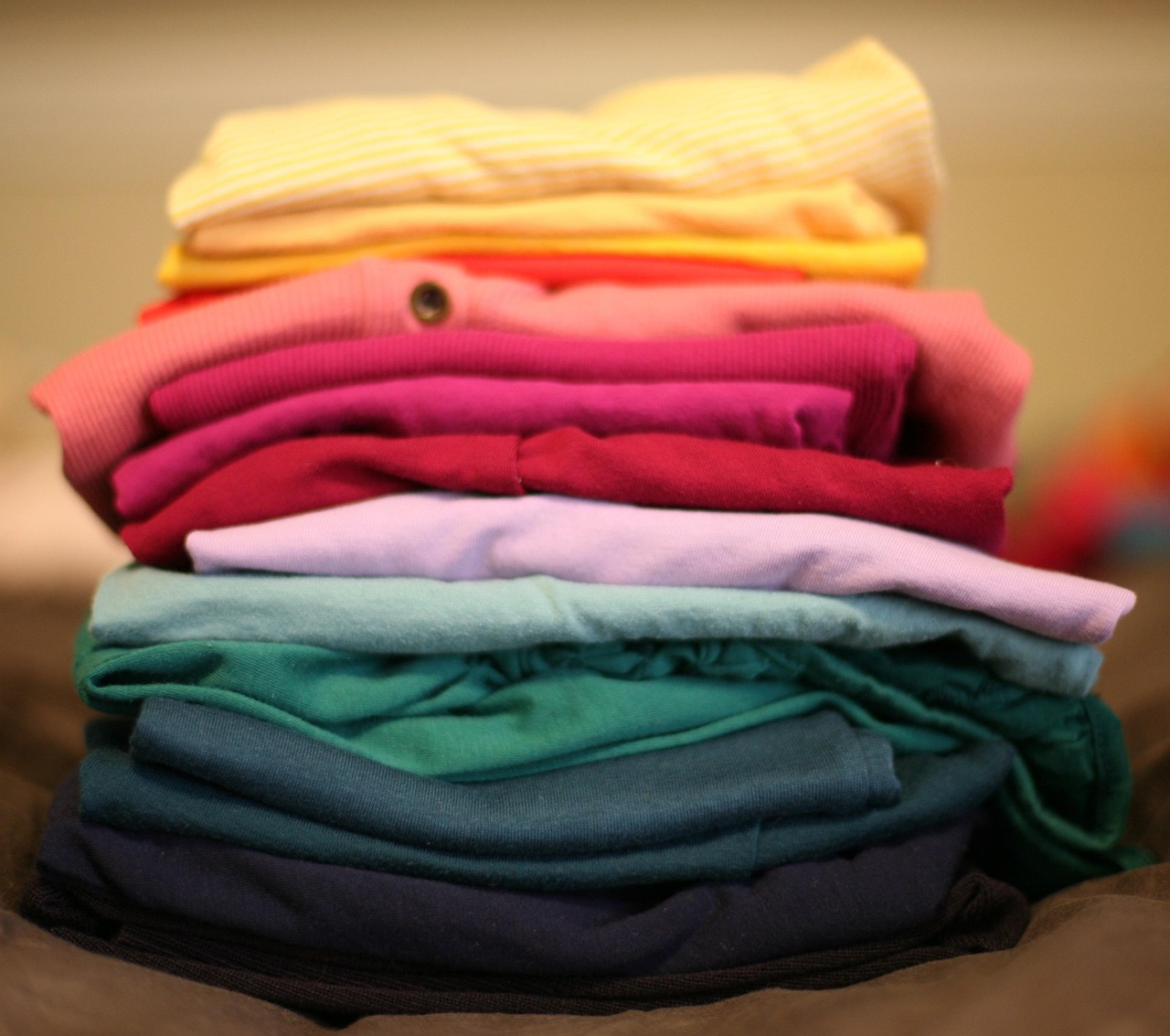
Fold printed tees rather than hanging them; hangers stretch the shoulders of soft jersey over months. If they must hang, use a wide hanger and do not crowd the rail, which creases prints along a fold line.
A fold across the print is not permanent, but a fold left in place for a year can be.
When a print does start to crack
A few hairline cracks are cosmetic and often part of why a vintage-look piece appeals. Cracking that lifts at the edges is the beginning of the end and is accelerated by every hot wash after that. Moving that shirt to cold-only washing extends it considerably.
None of this is difficult. Inside out, cold, no dryer, no softener – four habits that take no extra time and decide whether a shirt is still worn in five years.